What the cold path is, why raw data preservation matters, and how Azure Storage Account fits into an IoT Hub message routing setup for long-term storage.
How Cloud-to-Device messaging works in Azure IoT Hub: what C2D messages are, what they can and can’t do, and when to use them.
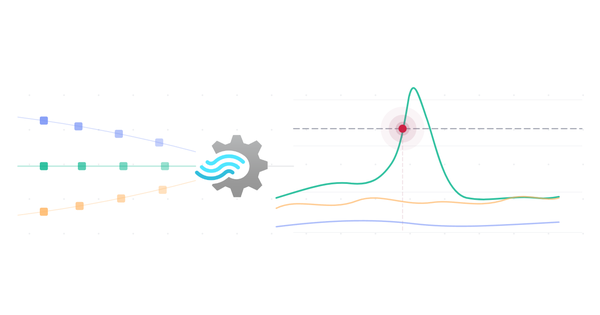
How Azure Stream Analytics works, what the query language looks like, and how it fits into the hot path of an IoT architecture to detect critical conditions in real time.
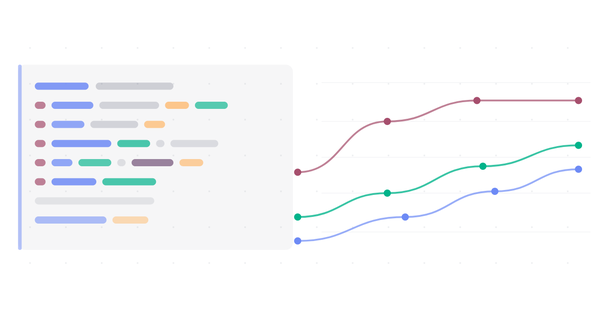
A practical introduction to KQL (Kusto Query Language): how queries are structured, which operators you’ll use most, and how to visualize results in Azure Data Explorer.
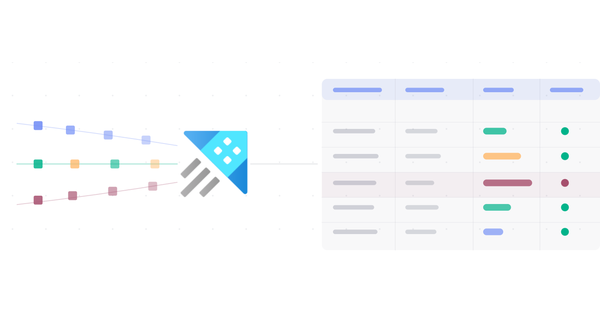
An introduction to Azure Data Explorer, the service behind the warm path in an Azure IoT solution, and why its insert-only design suits device telemetry.
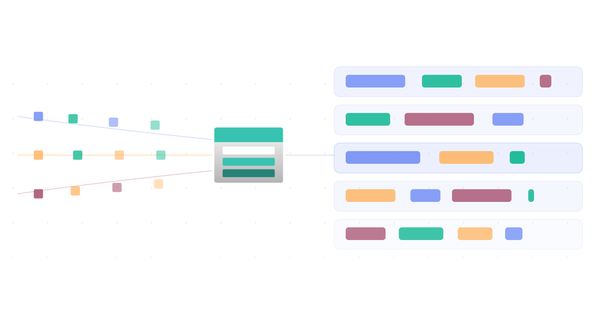
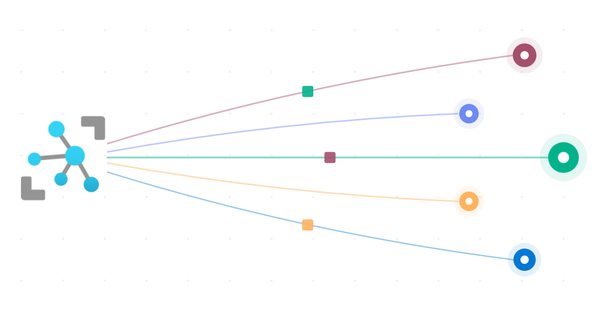
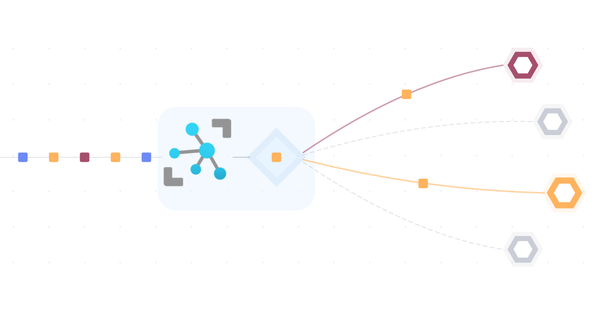
How IoT Hub message routing works: custom endpoints, routing queries, the fallback route, and how to filter messages based on application properties, system properties, and message body.
MQTT vs HTTP for IoT: why MQTT and AMQP are the preferred protocols for IoT devices over HTTP, and what makes them better suited for unreliable network conditions.
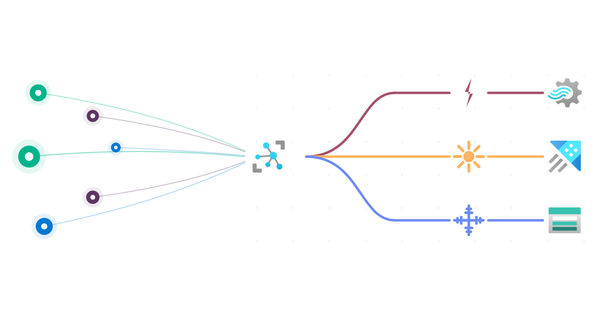
A clear explanation of the three-path IoT data architecture: cold, warm, and hot. What each path is for, how they differ, and which Azure services handle each one.
Azure IoT Hub explained: what it is, what it actually does, and why it sits at the center of every Azure IoT solution.
IoT explained: what the Internet of Things is, why you’d use it, and which industries are actually putting it to work.